
2026-04-17 00:00:00Z
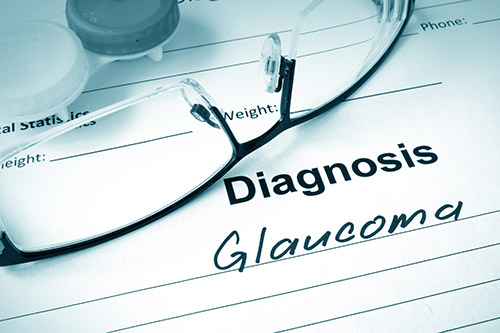
Glaucoma is one of the leading causes of vision loss worldwide, yet many people don’t realize they have it until permanent damage has already occurred. Often called the “silent thief of sight,” glaucoma develops gradually and may not present obvious symptoms in its early stages. At VisualEyes Optometrists, we believe that understanding the subtle warning signs—and acting on them early—can make a meaningful difference in preserving your long-term vision.
One of the most concerning aspects of glaucoma is that early-stage symptoms are often mild or even nonexistent. In many cases, people experience a slow loss of peripheral (side) vision that can go unnoticed until it becomes more advanced. You might find yourself bumping into objects more frequently or struggling to see things out of the corner of your eye. Because this change happens gradually, it’s easy to dismiss or adapt without realizing there’s an underlying issue affecting your eye health.
Another potential warning sign is blurred vision or seeing halos around lights, especially at night. While these symptoms can sometimes be linked to other eye conditions, they may also indicate increased pressure inside the eye—a key factor associated with glaucoma. Eye discomfort, redness, or headaches can also occur in certain types of glaucoma, particularly in more acute cases that require immediate attention. If you notice sudden vision changes or eye pain, it’s important to seek professional care as soon as possible.
Regular eye exams are essential for detecting glaucoma before noticeable symptoms appear. Comprehensive evaluations can measure eye pressure, assess your optic nerve, and identify early signs of damage long before vision loss occurs. Since glaucoma-related damage is irreversible, early diagnosis allows for timely treatment to slow or prevent further progression. Routine checkups are especially important if you have risk factors such as a family history of glaucoma, diabetes, or are over the age of 60.
At VisualEyes Optometrists, our team is committed to proactive, patient-centered eye care. We use advanced diagnostic tools to screen for glaucoma and create personalized care plans tailored to your needs. If you’ve noticed any changes in your vision—or if it’s simply time for your next eye exam—don’t wait. Early detection is your best defense against vision loss, and protecting your eyesight starts with staying informed and taking action.
5876 Kingstowne Center Alexandria, VA 22315
Visit Website Make Appointment4018 Campbell Avenue Arlington, VA 22206
Visit Website Make Appointment9600 H. Main Street Fairfax, VA 22031
Visit Website Make Appointment1 South Rotary Road, STE 2C113
Arlington VA 22202
(For Authorized Pentagon Personnel Only)
Copyright 2026 VisualEyes Optometry. All rights reserved. Website Designed and Maintained by WSI Pro Marketing.